
Toothache? How to stop the pain tonight, and when it's an emergency
How to ease a toothache tonight, what your tooth pain usually means, when it's an emergency, and how a same-day visit in Pflugerville works.
Published October 7, 2026 · Medically reviewed by Dr. Richa Wahi, DMD, MPH, BDS
To ease a toothache tonight, rinse with warm salt water, floss gently around the tooth, take an over-the-counter pain reliever as directed and hold a cold compress to your cheek. These steps buy time but don't fix the cause. Throbbing pain, swelling or a fever means you should see a dentist the same day.
Key takeaways
- Salt-water rinses, gentle flossing, a pain reliever and a cold compress ease most toothaches for a few hours.
- For adults and teens, the American Dental Association's first choice is an anti-inflammatory such as ibuprofen. Never put aspirin on the gum.
- Swelling that spreads toward the eye or neck, trouble breathing or swallowing, or a high fever with swelling needs the emergency room.
- Most toothaches need a filling, a root canal or an extraction rather than antibiotics, and they cost less to fix when treated early.
- How do I stop a toothache fast at home?
- Why does a toothache hurt more at night?
- What is my tooth pain telling me?
- Is a toothache an emergency?
- Do I need antibiotics for a toothache?
- What happens at a same-day toothache visit in Pflugerville?
- How much does it cost to see a dentist for a toothache?
- How can I prevent another toothache?
How do I stop a toothache fast at home?
You can usually calm a toothache at home: rinse with warm salt water, floss out anything trapped, take an over-the-counter pain reliever as directed, and hold a cold compress to your cheek if it's swollen. These steps ease the pain while you arrange a dental visit. They don't treat the cause, so the pain is likely to come back.
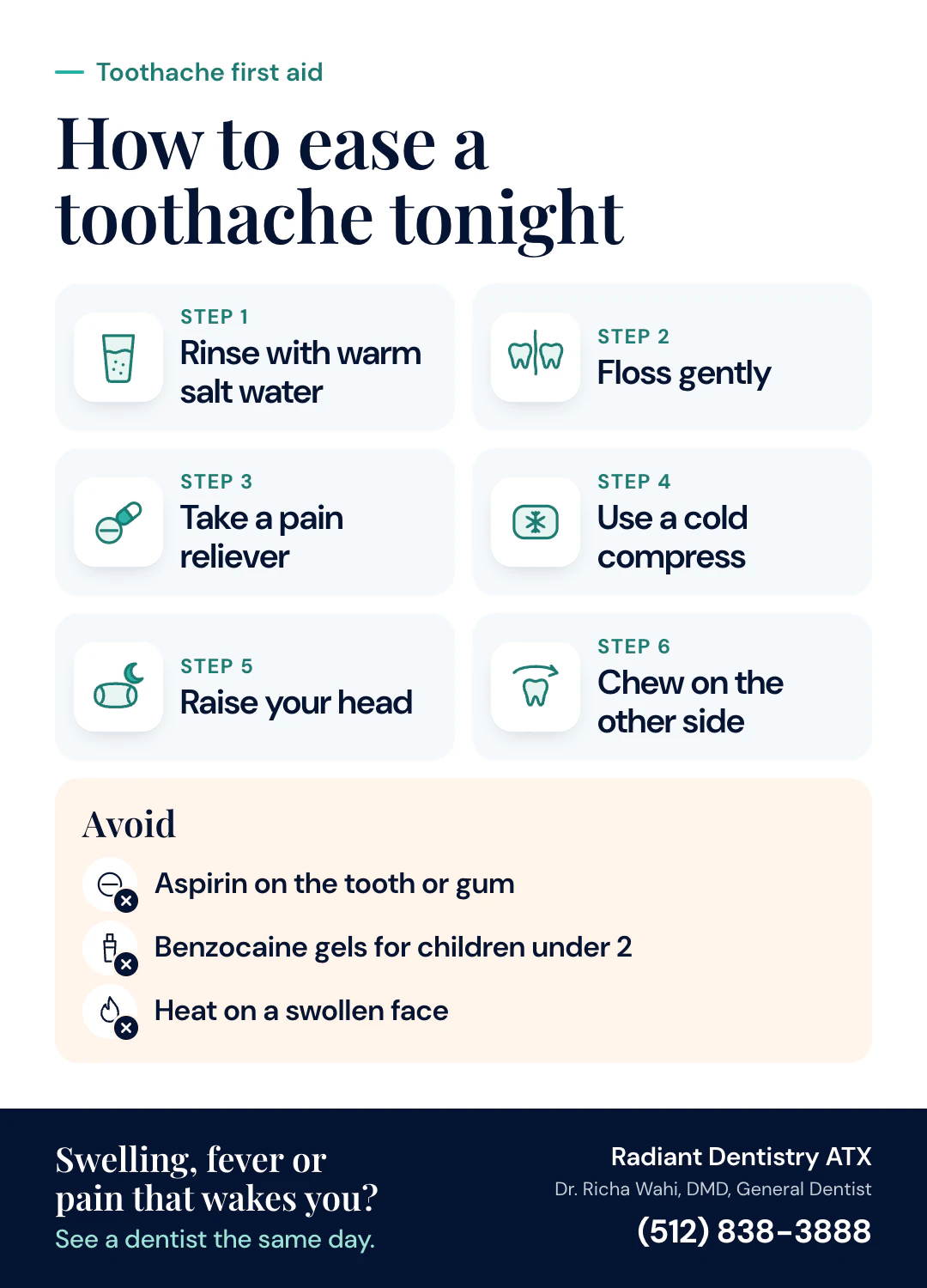
- Rinse with warm salt water. Stir half a teaspoon of salt into a cup of warm water, swish for 30 seconds and spit. It cleans the area and soothes irritated gums.
- Floss gently around the tooth. A trapped popcorn husk or food fragment can cause surprisingly strong pain. Slide the floss down both sides of the tooth without snapping it into the gum.
- Take a pain reliever as directed. See which pain reliever works best below.
- Use a cold compress for swelling. Wrap ice in a cloth and hold it against your cheek, 10 minutes on and 10 minutes off.
- Sleep with your head raised. An extra pillow eases the pressure that makes tooth pain throb when you lie down.
- Chew on the other side. Skip very hot, very cold and sugary food and drinks until the tooth has been checked.
These first steps follow the American Dental Association's guidance for dental emergencies.
What is the best pain reliever for a toothache?
For adults and teens 12 and older, the American Dental Association recommends an anti-inflammatory pain reliever such as ibuprofen or naproxen as the first choice for toothache pain, on its own or with acetaminophen. For children under 12, its children's guideline recommends acetaminophen or ibuprofen.
Follow the label, and check with a pharmacist if you take other medicines, are pregnant, or have stomach, kidney or heart problems.
Does clove oil help a toothache?
Clove oil contains eugenol, the active ingredient in over-the-counter toothache drops, and it can dull the pain for a short time. A typical product label limits it to adults and children 12 and older, up to four times a day for no more than 7 days, and says to see a dentist within 48 hours.
Don't use it if you're allergic to cloves, and stop if your gum becomes irritated or you develop a fever.
What should I avoid doing?
- Don't put aspirin on the tooth or gum; it burns the tissue.
- Don't use numbing gels that contain benzocaine on children under 2. The FDA warns they can cause a rare but dangerous blood disorder.
- Don't put heat on a swollen face.
- Don't try to pop a swelling or pull a tooth yourself.
Why does a toothache hurt more at night?
A toothache often hurts more at night because lying flat sends more blood to your head, raising the pressure inside an inflamed tooth, and there is less to distract you from the pain. Clenching or grinding your teeth in your sleep adds pressure too. A toothache that keeps waking you usually means the nerve is badly inflamed.
How can I sleep with a toothache?
- Time your pain reliever so a dose is working at bedtime, following the label.
- Sleep with your head raised on an extra pillow.
- Rinse with warm salt water and floss before bed so nothing is trapped around the tooth.
- Hold a cold compress to your cheek if it is swollen.
- If the pain still wakes you, call for a same-day visit in the morning.
What is my tooth pain telling me?
The kind of tooth pain is a useful clue to its cause. A brief twinge with cold usually means sensitivity or early decay, pain that lingers or throbs points to an inflamed nerve, pain on biting suggests a crack or an abscess, and swelling means infection. Only an exam and an X-ray can confirm the cause.
| What you feel | What it often means | How soon to be seen |
|---|---|---|
| A quick, sharp twinge with cold or sweets that fades in seconds | Sensitive teeth, gum recession or early decay | Within a week or two |
| Pain that lingers after hot or cold drinks | An inflamed nerve, which may need a root canal | Within a few days |
| Throbbing pain that starts on its own or wakes you up | A nerve that is badly inflamed or infected | Same day or next day |
| Pain when you bite down or let go | A cracked tooth, deep decay, an abscess or a high filling | Within a day or two |
| Swelling, a bad taste or a pimple on the gum | An abscess, which is an infection | Same day |
| An ache at the very back of the jaw with sore, swollen gum | An erupting or infected wisdom tooth | Within a few days, or same day with swelling or fever |
| Upper back teeth ache during a cold or sinus infection | Sinus pressure on the tooth roots | If it lasts after the cold clears |
Why does my tooth hurt when I bite down?
Pain when you bite down often points to a cracked tooth, deep decay, an abscess at the root or a filling that sits slightly too high. A crack can grow with every bite, so chew on the other side and have it checked within a day or two.
Can a toothache cause ear or jaw pain?
Yes, and it works both ways. Pain from the back teeth can spread to the jaw, ear or temple, and an earache or a sinus infection can be felt as tooth pain. MedlinePlus advises seeing a provider for a toothache that comes with a fever, an earache or pain when you open your mouth wide.
Rarely, jaw or tooth pain is a sign of a heart attack. Call 911 if it comes with chest pain, shortness of breath or a cold sweat.
Why did my toothache suddenly stop?
When an infected nerve dies, the pain can fade while the infection carries on into the bone around the root. A severe toothache that suddenly stops hasn't healed, so have it checked even if it no longer hurts.
Is a toothache an emergency?
Most toothaches are dental emergencies rather than medical ones: they need a dentist within a day or two, not the emergency room. Go to the ER or call 911 only if swelling spreads toward your eye, down your neck or under your tongue, you have trouble breathing or swallowing, or you have a high fever with facial swelling.
When should I go to the ER for a toothache?
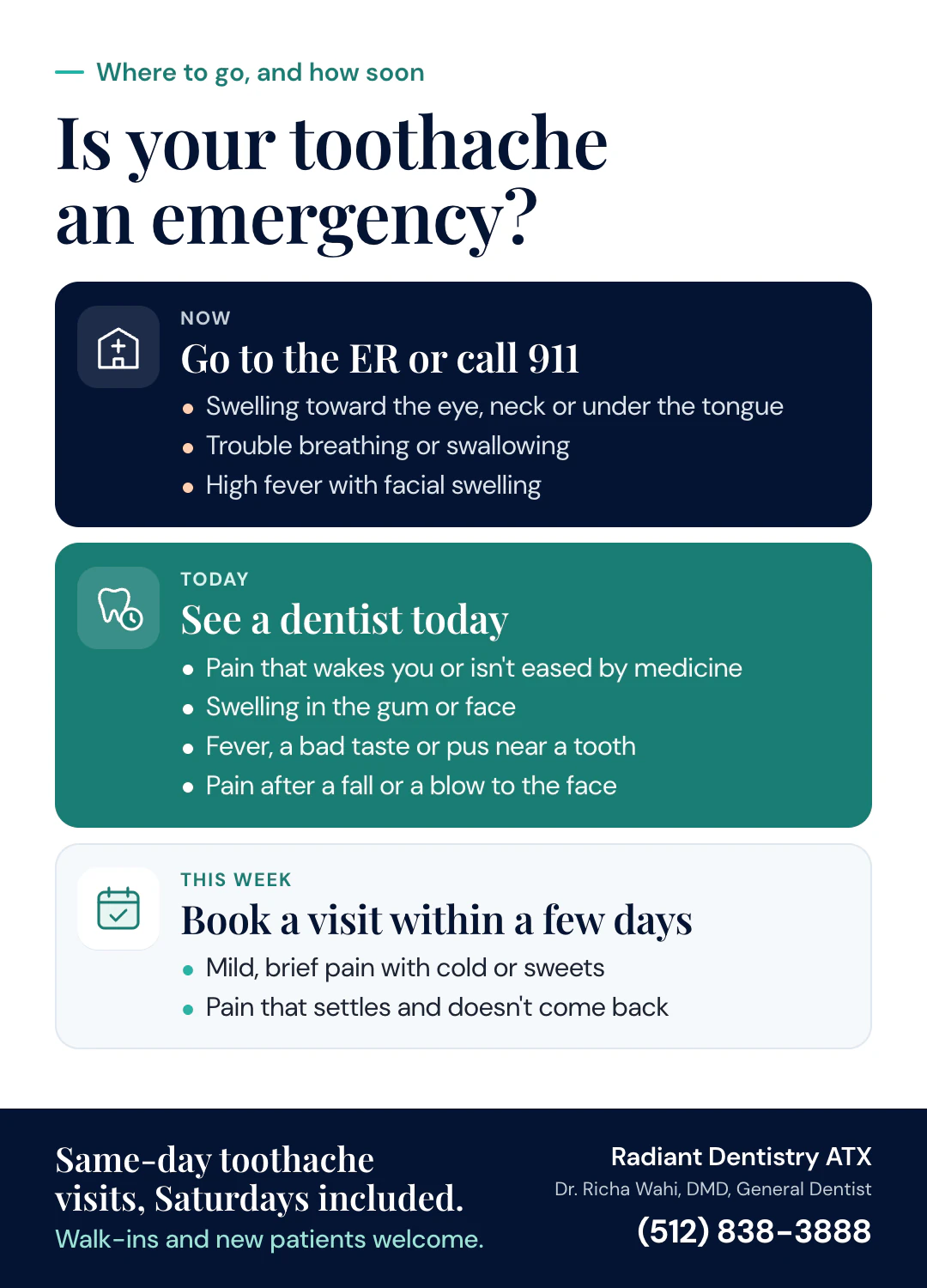
Go to the emergency room or call 911 if you have:
- Swelling that spreads toward your eye, down your neck or under your tongue
- Trouble breathing or swallowing
- A high fever with facial swelling, or you feel very unwell
These can be signs that a tooth abscess is spreading, which needs urgent medical care. For other toothaches, a dentist is the better choice. U.S. emergency rooms see an estimated 2 million visits a year for dental pain, according to the American Dental Association, but they can only ease the pain and treat infection; they can't fix the tooth.
When should I see a dentist the same day?
- Throbbing pain that keeps you awake or isn't eased by over-the-counter medicine
- Swelling in your gum or face, without the danger signs above
- A fever, a bad taste or pus near a tooth
- Pain after a fall, a sports injury or a blow to the face
When can a toothache wait a few days?
- The pain is mild, brief and only triggered by cold or sweets
- It settles quickly and doesn't come back on its own
If a tooth has chipped or broken, our guide to what to do in the first hour covers that step by step.
Do I need antibiotics for a toothache?
Usually not. Most toothaches come from inflamed or infected tissue inside the tooth, which antibiotics can't remove. The American Dental Association recommends treating the tooth instead, with over-the-counter pain relief in the meantime, and keeping antibiotics for infections that spread or make you feel unwell, such as facial swelling with a fever.
The ADA's 2019 guideline recommends against antibiotics for most toothaches in healthy adults. The fix depends on the cause: a filling for a cavity, a root canal for an infected nerve, or an extraction when the tooth can't be saved.
What happens at a same-day toothache visit in Pflugerville?
Radiant Dentistry ATX, a family and emergency dental office at 1420 Wells Branch Pkwy in Pflugerville, TX, keeps time in the schedule every day it's open for patients with a toothache, Saturdays included. New patients and walk-ins are welcome. Call (512) 838-3888 first so a chair is ready when you arrive.
Dr. Richa Wahi, DMD, MPH, is the practice's owner and general dentist, with 15 years of experience. A same-day visit usually includes:
- A focused exam and digital X-rays to find the tooth and the cause. Digital X-rays use a fraction of the radiation of older film.
- A clear diagnosis and your options, explained in plain language, with the cost of each before anything is done.
- Relief the same day whenever possible: a temporary or permanent filling, starting a root canal to relieve the pressure, draining an abscess, or removing a tooth that can't be saved.
- A plan for what comes next, such as a crown after a root canal, if the final repair needs another visit.
Nervous about dental work? Tell us. Nitrous oxide, often called laughing gas, is available, and we explain each step before we do it. We also see children and teens with toothaches. We serve Pflugerville, Wells Branch, Round Rock, North Austin, Hutto and Manor from our office just east of I-35, with free parking at the door. More about what we handle is on our emergency dentist page.
How much does it cost to see a dentist for a toothache?
The visit itself is the smaller part of the cost; what the tooth needs decides the bill. Most PPO dental plans cover emergency exams and X-rays, and patients without insurance can ask about our set-fee emergency exam. Treatment is quoted before we start, and a cavity treated early costs far less to fix than one that needs a root canal and crown.
The current emergency exam fee and its terms are on our emergency dentist page. We check your benefits while you're on your way in, and financing can spread larger costs into monthly payments. An emergency room visit for dental pain costs about three times as much as a visit to the dentist, according to the ADA, and still leaves the tooth untreated.
How can I prevent another toothache?
Most toothaches start as decay or a crack that could have been found early. Regular checkups with X-rays, fluoride toothpaste twice a day, cleaning between your teeth once a day, keeping sugary drinks to mealtimes and wearing a night guard if you grind your teeth help prevent most of them.
Untreated decay is common: the CDC reports that 1 in 5 adults aged 20 to 64 has at least one untreated cavity, and a cavity that reaches the nerve can cause an infection that spreads.
- Keep up with regular checkups and cleanings; X-rays find decay before it reaches the nerve.
- Brush twice a day with fluoride toothpaste and clean between your teeth once a day. Fluoride can stop and even reverse early decay, according to the National Institute of Dental and Craniofacial Research.
- Keep sugary and acidic drinks to mealtimes.
- Wear a night guard if you grind or clench.
- Don't ignore sensitivity that lasts more than a couple of weeks.
In pain right now? Call (512) 838-3888 for a same-day appointment at Radiant Dentistry ATX, 1420 Wells Branch Pkwy, Suite 490, Pflugerville, TX 78660.
Treatments mentioned in this guide
Emergency Dentist
Same-day care for toothache, broken teeth, swelling and lost fillings — call and we'll get you comfortable fast.
Call now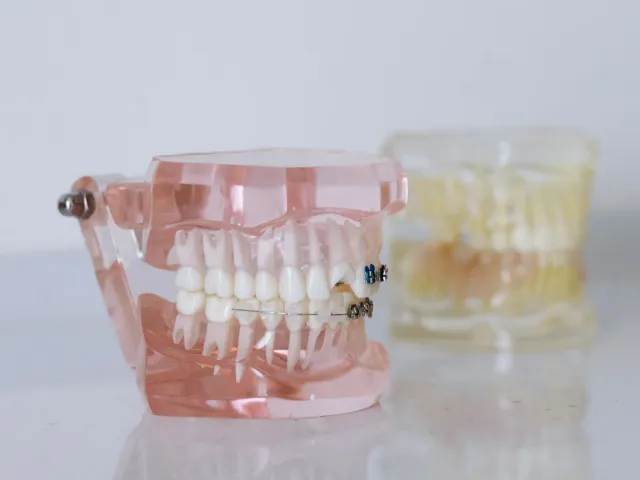
Dental Crowns & Bridges
Protect a damaged tooth or replace a missing one with a crown or bridge that looks and feels like your own.
Learn more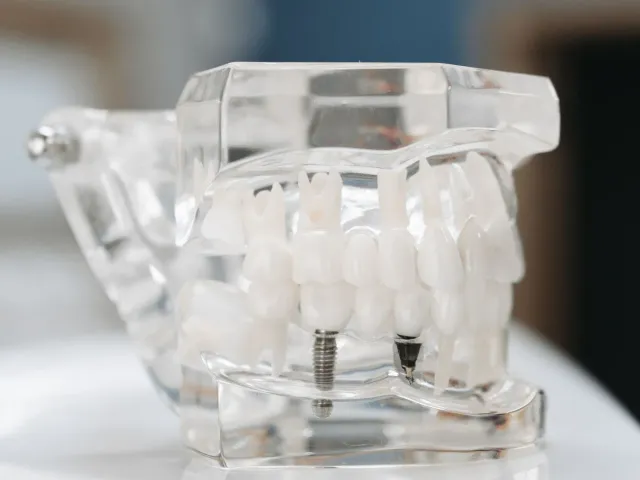
Root Canal Treatment
Stop the pain and keep your natural tooth — modern root canals are far gentler than their reputation.
Learn moreQuestions patients ask us
Mild sensitivity can come and go for weeks, but pain from an inflamed or infected nerve usually gets worse over a few days rather than better. Have a toothache checked if it is severe, lasts more than a day or two, or comes with swelling or a fever.
The pain sometimes fades, but the cause rarely does. Decay keeps growing, and an infected nerve can stop hurting as it dies while the infection carries on. A toothache that disappears on its own should still be checked.
Urgent care and emergency rooms can check for a spreading infection and help with pain, but most have no dentist on staff, so they can't treat the tooth itself. Go to the ER for facial swelling that is spreading, trouble breathing or swallowing, or a high fever with swelling. For other toothaches, a dentist can usually treat the cause the same day.
Yes. We see new patients for emergencies, including on Saturdays, and offer a set-fee emergency exam for patients without insurance. Any treatment is explained with its cost before we start, and financing is available for larger work.
Rinse with warm water, floss gently, and give children's acetaminophen or ibuprofen dosed for their age and weight as directed on the label. Never give children aspirin, and don't use benzocaine numbing gels on children under 2. A child's toothache should be checked within a day or two, or the same day if there is swelling or a fever.
Yes. Walk-ins are welcome at our Wells Branch Pkwy office during office hours, Saturdays included. Calling (512) 838-3888 first means a chair is ready when you arrive, and we can check your insurance while you're on your way.
Ready to schedule your visit?
Book online in about two minutes, or call and speak with our team. We are happy to answer any questions before your appointment.