
Dental Crowns & Bridges in Pflugerville, TX
A dental crown is a custom cap that covers a cracked, decayed or worn tooth to restore its strength and appearance; a bridge uses crowns on neighboring teeth to replace a missing one. At Radiant Dentistry ATX in Pflugerville, Dr. Richa Wahi places natural-looking zirconia and porcelain crowns, usually over two visits.
Crowns are typically covered at 50% by PPO plans after the deductible. Financing available for the balance. Insurance & financing.
What a crown does
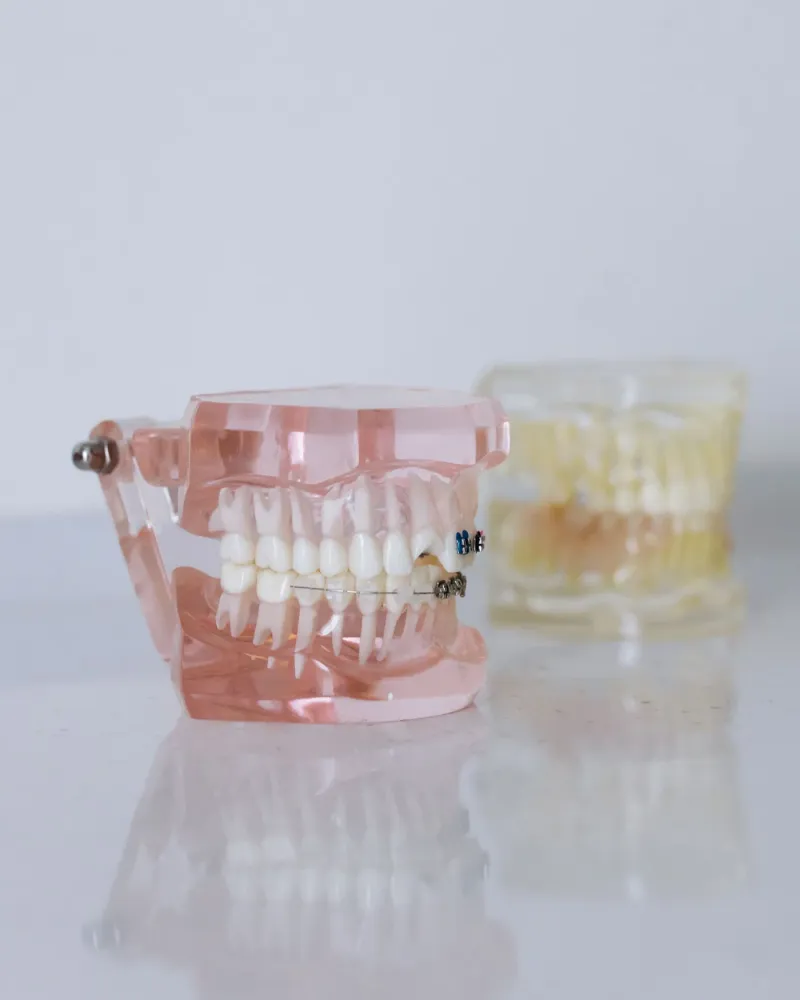
Think of a crown as a helmet for a tooth. When a tooth has lost too much structure to a cavity, a crack or wear — or has been weakened by a root canal — a filling will not hold it together under chewing forces. A crown covers the entire visible tooth, restoring its shape, strength and color so you can bite normally and forget it is there. The American Dental Association lists the same uses: strengthening a tooth with a large filling, protecting a weak tooth from breaking, restoring a broken one, holding a bridge and covering an implant.
What a bridge does
A bridge replaces one or more missing teeth by anchoring an artificial tooth to crowns on the teeth either side. It is fixed in place — no removing it at night — and is a well-proven option when the neighboring teeth already need crowns or an implant is not suitable. Replacing the tooth matters for more than looks: the ADA notes that gaps can make it harder to chew and speak clearly.
Materials we use, and when
| Material | Best for | Why |
|---|---|---|
| Monolithic zirconia | Back teeth, heavy bites | Strongest metal-free option; resists chipping |
| High-translucency zirconia | Premolars and front teeth | Strength with a more natural, light-transmitting look |
| Layered porcelain (e.g. e.max) | Front teeth | The most lifelike aesthetics |
| Porcelain-fused-to-metal | Specific cases | Long track record; can show a gray line at the gum over time |
Dr. Wahi chooses based on the tooth’s position, your bite and what you want it to look like — and explains why.
The process, step by step
- Exam and X-ray to confirm a crown is the right fix and check the root and bone.
- Preparation (visit one). The tooth is numbed and shaped; a digital scan or impression is taken; a temporary crown protects the tooth. About an hour.
- Fabrication. A dental laboratory crafts the crown to the exact shade and shape — typically one to two weeks.
- Fitting (visit two). The temporary comes off, the new crown is checked for fit, bite and color, then permanently cemented. Usually 30–45 minutes.
Bridges follow the same steps, with the abutment teeth prepared together.
Signs you may need a crown
- A tooth that hurts when you bite down, or a visible crack
- A large old filling that keeps breaking
- A tooth that has had a root canal
- A worn, short or misshapen tooth
- A broken cusp
Caring for your crown or bridge
Brush twice a day, floss daily (a floss threader or water flosser under a bridge), and keep your checkups. Avoid chewing ice or using your teeth as tools. Treated this way, a crown is one of the longest-lasting restorations in dentistry.
Cost and insurance
Most PPO plans classify crowns and bridges as major restorative care and cover around 50% after the deductible, often with a waiting period on new plans. We verify your benefits, quote the exact fee before treatment, and offer financing for the remainder.
Dental Crowns & Bridges: your questions answered
When too much of the tooth is missing for a filling to hold — a large cavity, a crack, a tooth that has had a root canal, or heavy wear. A filling patches; a crown holds the whole tooth together.
Well-made crowns commonly last 10 to 15 years, and often longer with good brushing, flossing and regular checkups. The tooth underneath still needs care — decay at the edge of a crown is the usual reason one fails.
For most back teeth, monolithic zirconia — very strong and metal-free. For front teeth, layered porcelain or high-translucency zirconia for the most natural look. Dr. Wahi will recommend based on the tooth, your bite and your budget.
The tooth is fully numbed for preparation, and you leave with a temporary crown so it is protected between visits. Some sensitivity for a few days is normal.
It depends on the material and whether a build-up or root canal is needed first. We give you an exact quote before treatment. Most PPO plans cover roughly half after the deductible, and we offer financing for the rest.
A bridge is faster and usually less expensive up front, but it relies on the neighboring teeth. An implant stands alone and protects the bone. We will lay out both honestly — see our implants page for the comparison.
Often considered together
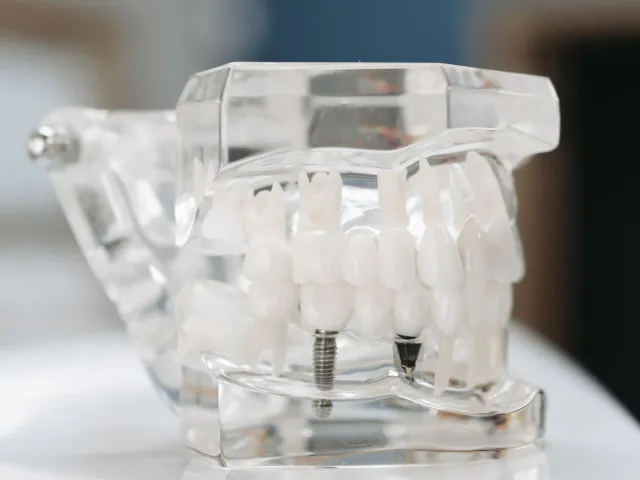
Root Canal Treatment
Stop the pain and keep your natural tooth — modern root canals are far gentler than their reputation.
Learn more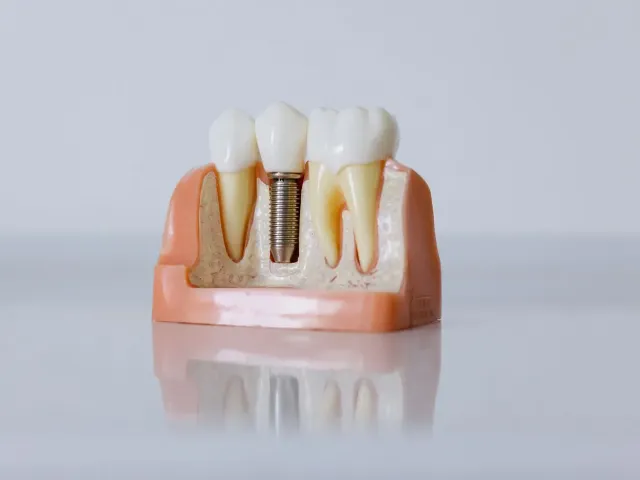
Dental Implants
A permanent, natural-looking replacement for a missing tooth — and the only option that protects the bone underneath.
Learn more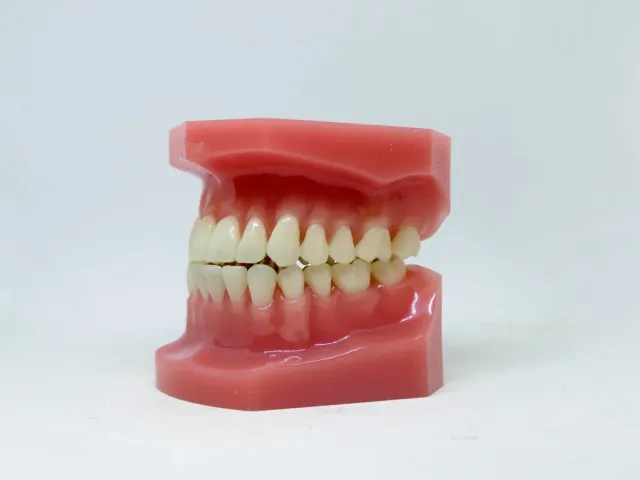
Dentures
Custom full, partial or implant-supported dentures that fit securely and look like your own teeth.
Learn moreWhat our patients say
“Best dental clinic experience I've had in Austin. Appointments are smooth and quick, staff are professional and friendly, and Dr. Wahi is amazing!!! Highly recommend.
“Saw me same day on a Saturday and was very informative and accommodating and made sure I was comfortable. I never leave reviews but this was a great experience will be back for all my dental needs
“Great first visit! Super kind dental staff and no upselling. After having a horrible experience at a prior dentist this one made feel comfortable and taken care of!
Ready to talk about dental crowns & bridges?
Book online in about two minutes, or call and speak with our team. We are happy to answer any questions before your appointment.